



Altai Beauty Secrets: Using Antioxidants in Shilajit to Support Collagen and Skin Elasticity
Biyode Research team
The Ancient Secret of Timeless Skin
For centuries, people living in high mountain regions like the Altai have been known for their strong health, glowing skin, and slower visible aging. While harsh climates might seem damaging, these communities have long relied on natural substances formed in these regions to maintain vitality and beauty. One of the most powerful among them is shilajit.
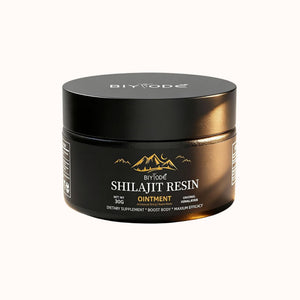
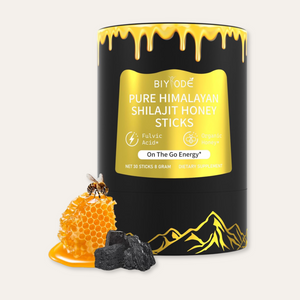
Shilajit is not just another supplement—it is a mineral-rich substance formed over hundreds of years through the gradual decomposition of plant material under pressure. This slow process creates a dense concentration of bioactive compounds, especially fulvic acid and antioxidants, which play a crucial role in supporting skin health from within.
Unlike topical skincare that only affects the surface, shilajit works internally, helping the body repair, regenerate, and maintain youthful skin at the cellular level.
Why Skin Aging Begins at the Cellular Level
Most people think skin aging starts on the surface—with wrinkles, fine lines, and dryness. In reality, these are just visible signs of deeper changes happening inside the body.
Skin health depends on:
- Collagen production
- Cellular repair
- Hydration balance
- Protection from oxidative damage
As we age, these processes slow down. The body produces less collagen, cells repair themselves more slowly, and oxidative stress begins to damage skin structure. This is why simply applying creams often doesn’t provide long-term results.
To truly support youthful skin, you must address the root cause—cellular health.
 The Role of Collagen in Skin Strength and Elasticity
Collagen is the most abundant protein in the body and a key component of your skin. It provides structure, firmness, and elasticity. When collagen levels are high, skin appears smooth, plump, and youthful.
However, collagen production naturally declines with age. This leads to:
- Wrinkles and fine lines
- Sagging skin
- Loss of elasticity
- Dull appearance
Environmental factors like sun exposure, pollution, and stress accelerate this process even further.
Supporting collagen is not just about applying products—it requires nourishing the body with the right nutrients that promote its production and protect it from damage.
Understanding Skin Elasticity and Why It Matters
Elasticity is what allows your skin to stretch and return to its original shape. It is controlled by proteins like collagen and elastin. When elasticity is strong, your skin looks firm and youthful. When it weakens, the skin begins to sag.
Loss of elasticity is one of the earliest signs of aging. It occurs due to:
- Collagen breakdown
- Oxidative stress
- Nutrient deficiencies
- Reduced cellular energy
Improving elasticity requires strengthening the internal support system of the skin, which is where antioxidants and minerals play a vital role.
The Connection Between Mitochondria and Skin Youth
While most skincare discussions focus on collagen and hydration, a deeper factor often goes unnoticed—mitochondrial health. Mitochondria are responsible for producing energy within your cells, and this energy is essential for skin repair and regeneration. When mitochondria function efficiently, skin cells renew faster, damage is repaired quickly, and overall skin appearance improves.
As mitochondrial efficiency declines with age, the skin loses its ability to repair itself. This leads to slower cell turnover, dullness, and visible aging. Antioxidants in shilajit help protect mitochondria from oxidative stress, ensuring that skin cells continue to receive the energy they need to function properly.
By supporting mitochondrial health, shilajit works at a deeper level than most beauty solutions, targeting the root cause of aging rather than just its symptoms.
Oxidative Stress: The Silent Skin Destroyer
Oxidative stress is one of the biggest contributors to skin aging. It occurs when there is an imbalance between free radicals and antioxidants in the body.
Free radicals are unstable molecules that damage cells, proteins, and DNA. When they attack skin cells, they break down collagen and reduce elasticity.
This leads to:
- Premature aging
- Wrinkles
- Uneven skin tone
- Loss of glow
Antioxidants neutralize free radicals, protecting the skin from this damage. This is why antioxidant-rich substances like shilajit are so valuable for skin health.
Shilajit as a Natural Source of Powerful Antioxidants
Shilajit is packed with antioxidants that help protect the body from oxidative stress. Its unique composition makes it especially effective at supporting skin health.
Key components include:
- Fulvic acid
- Humic substances
- Trace minerals
- Bioactive compounds
These elements work together to reduce cellular damage, improve nutrient absorption, and support the body’s natural repair processes.
Unlike synthetic supplements, shilajit provides a complex blend of nutrients that work synergistically, making it more effective for long-term use.
Fulvic Acid: The Skin-Rejuvenating Compound
Fulvic acid is the most important active component in shilajit. It plays a crucial role in transporting nutrients into cells and removing toxins.
For skin health, fulvic acid:
- Enhances nutrient absorption
- Supports collagen production
- Improves hydration at the cellular level
- Reduces oxidative damage
This makes it a key player in maintaining youthful, elastic skin.
Global Context: What the Data Shows
Source: Our World in Data — open global research and statistics (CC BY).

Healthy life expectancy — years lived in good health — diverges sharply from total lifespan in many regions. Cellular energy metabolism, including mitochondrial efficiency during sleep, is a foundational driver of the gap between living long and living well. Supporting the overnight ATP recharge cycle is one mechanism that may narrow that gap at the individual level.
How Shilajit Supports Collagen Production
Collagen production depends on several factors, including nutrient availability, cellular energy, and protection from damage.
Shilajit supports collagen in multiple ways:
- Provides essential minerals required for collagen synthesis
- Enhances mitochondrial function, increasing cellular energy
- Protects collagen from oxidative stress
- Improves circulation, delivering nutrients to skin cells
By addressing these underlying factors, shilajit helps maintain stronger and more resilient skin.
The Link Between Minerals and Skin Health
Minerals are essential for maintaining healthy skin, yet they are often overlooked. They play a critical role in enzyme function, hydration, and cellular repair.
Important minerals for skin include:
- Zinc (supports healing and reduces inflammation)
- Magnesium (improves hydration and elasticity)
- Copper (involved in collagen formation)
- Selenium (protects against oxidative stress)
Shilajit contains over 80 trace minerals, making it a powerful natural source of these nutrients.
Hormonal Balance and Its Impact on Skin Elasticity
Hormones play a crucial role in maintaining skin health. Imbalances can lead to dryness, acne, loss of elasticity, and premature aging. Stress, poor diet, and lifestyle factors often disrupt hormonal balance, indirectly affecting collagen production.
Shilajit may help support hormonal stability by improving overall cellular function and reducing stress-related damage. When hormones are balanced, the body is better able to maintain collagen levels and skin hydration.
This connection highlights the importance of internal balance for external beauty. Healthy skin is not just about what you apply—it reflects what is happening inside your body.
Skin Hydration and Internal Nourishment
Hydration is not just about drinking water—it also depends on how well your cells retain moisture. When cells are properly nourished, they can maintain hydration more effectively.
Shilajit helps by:
- Improving nutrient absorption
- Supporting cellular balance
- Enhancing water retention in skin cells
This leads to skin that looks more plump, smooth, and radiant.
 Fighting Premature Aging from Within
Most anti-aging products focus on external application, but true anti-aging starts from within. By supporting cellular health, you can slow down the aging process at its source.
Shilajit helps:
- Reduce oxidative damage
- Support cellular repair
- Maintain collagen levels
- Improve overall skin resilience
This internal approach leads to more sustainable and long-lasting results.
Detoxification and Clear, Radiant Skin
Toxins accumulate in the body from pollution, processed foods, and environmental exposure. These toxins can interfere with cellular function and contribute to skin issues such as acne, dullness, and uneven tone.
Fulvic acid in shilajit plays a key role in detoxification by helping remove harmful substances from cells. This process supports clearer skin and improves overall complexion.
When the body is free from excess toxins, it can focus more effectively on repair and regeneration, leading to healthier and more radiant skin.
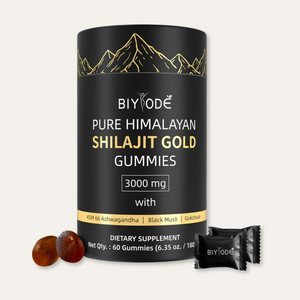
Shilajit Gummies: A Modern Beauty Solution
Traditional shilajit has a strong taste and can be difficult to consume. Shilajit gummies offer a convenient and enjoyable alternative.
They provide:
- Easy daily supplementation
- Consistent nutrient intake
- Improved compliance
- Better taste
This makes it easier to incorporate shilajit into your daily routine for long-term skin benefits.
Daily Routine for Better Skin Elasticity
To maximize the benefits of shilajit, it should be combined with healthy habits:
- Eat a balanced, nutrient-rich diet
- Stay hydrated
- Protect skin from excessive sun exposure
- Get enough sleep
- Manage stress
These practices work together to support collagen production and skin health.
Long-Term Benefits for Skin and Beyond
Using antioxidant-rich shilajit regularly can provide long-term benefits such as:
- Improved skin texture
- Increased elasticity
- Reduced wrinkles
- Enhanced natural glow
- Stronger overall health
These benefits extend beyond appearance, supporting overall well-being.
Final Thoughts: Unlocking the Altai Beauty Secret
The secret to youthful skin is not found in a single product but in a holistic approach that supports the body from within. Shilajit, with its powerful antioxidants and rich mineral content, offers a natural way to protect and enhance skin health.
By focusing on cellular repair, collagen support, and oxidative protection, you can achieve healthier, more elastic skin that reflects true internal vitality.
"Sleep deprivation significantly alters ATP levels and energy metabolism in neuronal cells, suggesting that the restorative function of sleep is fundamentally tied to mitochondrial bioenergetics rather than simply elapsed rest time."
- Researchers, Journal of Neurochemistry, 2023 (PMID 37953684)
- Choosing a selection results in a full page refresh.
- Opens in a new window.