




Shilajit Gummies for Chronic Fatigue: Recharging Cellular Energy From the Ground Up
Biyode Research team
Introduction:
Fatigue that doesn't lift after a full night's sleep is one of the more frustrating health complaints, largely because it resists the obvious fix. You rest, and you're still tired. You caffeinate, and it wears off faster than it used to. For a growing number of people, the search for an answer has led to shilajit gummies — not as a stimulant, but as a way to support the cellular machinery that actually produces energy in the first place. This guide covers what's known about that mechanism, what a realistic expectation looks like, and how to use shilajit gummies responsibly if persistent fatigue is your main concern.
Fatigue That Sleep Doesn't Fix: What's Actually Happening
Ordinary tiredness responds to rest. Chronic, unrelenting fatigue often doesn't — and one reason for that distinction is that the problem may not be a sleep debt at all, but a cellular energy production issue. Every cell in your body relies on mitochondria to convert food and oxygen into ATP (adenosine triphosphate), the molecule that actually powers everything from muscle contraction to cognitive function. When mitochondrial function is impaired — whether from chronic stress, nutrient deficiencies, oxidative damage, or simply aging — cells produce less usable energy, and no amount of sleep fully compensates for that underlying inefficiency.
Mineral deficiencies compound this problem directly. Magnesium, iron, and zinc are each involved in enzymatic reactions required for ATP synthesis — without adequate levels of these cofactors, the mitochondrial machinery can't run at full capacity even when nutrients like glucose and oxygen are otherwise available. This is the reasoning behind approaching fatigue from a mineral and cellular-energy angle rather than purely a "get more sleep" or "drink more caffeine" framing.
It's worth being clear that chronic fatigue has many possible causes — thyroid dysfunction, anemia, sleep disorders, depression, and diagnosed conditions like chronic fatigue syndrome (CFS) all present with persistent tiredness, and each requires its own specific evaluation and treatment. Mitochondrial and mineral-related fatigue is one plausible contributor among several, not a catch-all explanation for every case of exhaustion. If your fatigue is severe, sudden, or accompanied by other symptoms, that's a conversation for a doctor before reaching for any supplement.
Where Shilajit Fits Into the Cellular Energy Picture
Shilajit is a naturally occurring mineral resin, formed over long periods from decomposed plant matter compressed in high-altitude mountain rock. Its relevance to fatigue centers on two primary active compounds:
- Fulvic acid, which acts as a chelating agent — binding minerals and converting them into an ionic, more readily absorbed form — and which also has documented antioxidant properties, relevant since oxidative stress is itself a contributor to mitochondrial dysfunction.
- Dibenzo-α-pyrones (DBPs), compounds studied for their potential role in supporting the mitochondrial electron transport chain, the core biochemical process your cells use to generate ATP.
Research reviewed by Stohs (2014) and earlier work (Ghosal and colleagues) has proposed that DBPs help support and stabilize this electron transport process, and that fulvic acid may help stabilize Coenzyme Q10 (CoQ10), a compound directly involved in mitochondrial ATP synthesis. Some research, including a study published in the Journal of Ethnopharmacology, has reported measurable increases in mitochondrial respiration efficiency associated with shilajit supplementation.
It's worth treating specific numeric claims — such as a precise percentage increase in mitochondrial respiration — with appropriate caution. These figures typically come from a limited number of studies, sometimes in preclinical or smaller human samples, and specific percentage claims circulating in commercial materials aren't always independently verified across a broader body of replicated research. The more defensible summary is: there's a genuine, biologically plausible mechanism connecting shilajit's active compounds to mitochondrial function and ATP production, supported by a real (if still developing) body of research — not yet a large-scale, thoroughly replicated clinical consensus on exact magnitude of effect.

Why This Isn't Like Caffeine
A recurring theme in how shilajit is discussed for fatigue is the contrast with stimulant-based energy sources. Caffeine works by blocking adenosine receptors — essentially masking your brain's fatigue signal rather than producing new usable energy. This explains caffeine's well-known downsides: a crash once it wears off, and a tendency toward tolerance and dependence with regular high use.
Shilajit's proposed mechanism is different in kind, not just degree — it's aimed at the underlying cellular energy-production process itself (mitochondrial efficiency, mineral cofactor availability) rather than the nervous system's perception of fatigue. This is why shilajit is generally described as producing a steadier, non-jittery energy experience rather than a sharp lift-and-crash pattern, and why its timeline for effect is measured in weeks rather than minutes — it isn't designed to feel fast, because the process it's targeting (cellular adaptation, mineral repletion) genuinely isn't fast.
A Real, if Limited, Body of Supporting Research
Beyond the mitochondrial mechanism discussed above, a few other lines of research come up in discussions of shilajit and fatigue:
- Physical endurance and recovery. Earlier research (Bhattacharyya et al., 2009) examined shilajit's effect on physical fatigue markers and reported improvements in endurance and recovery time following exertion.
- Focus and mental alertness. The reasoning connecting shilajit to cognitive clarity follows the same mitochondrial logic — brain cells are highly energy-demanding, and impaired cellular energy production is one plausible contributor to brain fog.
- Antioxidant protection of mitochondria. Since oxidative stress itself damages mitochondria over time, fulvic acid and DBPs' antioxidant properties are framed as protective, helping preserve mitochondrial function rather than just temporarily boosting output.
None of this rises to the level of a large, definitive clinical trial specifically diagnosing and treating chronic fatigue with shilajit. It's a reasonably coherent, biologically grounded set of findings that supports cautious optimism rather than a guarantee.
Authentic Sourcing Matters More Than Marketing Numbers Suggest
One detail worth understanding if you're comparing products: genuine, high-potency shilajit resin generally contains fulvic acid in the range of up to roughly 15% by weight — not the inflated "70–80% fulvic acid" figures sometimes advertised by lower-quality or counterfeit products. Claims of extremely high fulvic acid percentages are usually a red flag rather than a mark of superior potency, since they typically indicate an isolated fulvic acid powder blended with fillers rather than authentic, whole shilajit resin with its full complex of trace minerals and DBPs intact.
This matters because the proposed fatigue-related benefits depend on the whole-resin complex — fulvic acid working alongside DBPs and the broader mineral profile — not on fulvic acid in isolation. A product boasting an implausibly high fulvic acid percentage is more likely to be a diluted or synthetic imitation than a more "concentrated" version of the real thing.

Why Gummies Make Sense for This Specific Use Case
Chronic fatigue-related benefits, per the research and anecdotal patterns discussed above, are generally described as building over 2–3 weeks of consistent daily use — which makes adherence the single biggest practical factor in whether shilajit does anything noticeable for a given person. Raw resin creates real friction against that adherence:
- A strong, bitter, earthy taste that's genuinely hard for many first-time users to get past.
- A need to dissolve it in warm water, tea, or milk before each use.
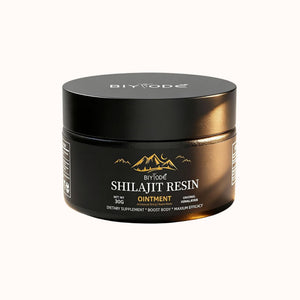
- A sticky, temperature-sensitive texture that some customers specifically describe as inconvenient to portion out of the container.
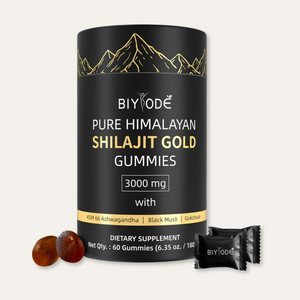
Shilajit gummies remove these barriers directly — a pre-measured, standardized dose, masked bitterness through natural flavoring, and no dissolving or mess. For someone already dealing with fatigue and looking for one more daily task to remember, this convenience isn't a minor nicety; it's often the difference between a supplement that gets taken consistently for a month and one that gets abandoned in week one because of the taste.
What to Look for in a Shilajit Gummy for Fatigue Support
- A named, standardized extract, ideally with a stated fulvic acid percentage in a realistic range (not an inflated figure suggesting an isolate rather than whole resin).
- Third-party lab testing for heavy metals (lead, arsenic, mercury, cadmium) — a genuine concern given shilajit's rock-strata origin.
- Transparent sourcing, naming a specific documented high-altitude region.
- A short, clean ingredient list, without a long tail of artificial fillers.
- Grounded claims. Be skeptical of marketing promising an immediate energy transformation — legitimate expectations, based on the existing research, point to a multi-week timeline.
How to Use Shilajit Gummies for Fatigue
- Standard dosing is often lower for this specific use case than some other applications — commonly cited in the 100–300mg range per day, though always check your specific product's label.
- Do not exceed the recommended dose. More isn't better, and higher doses aren't associated with faster or stronger results.
- Commit to at least 2–3 weeks of consistent daily use before judging whether it's making a difference, in line with the timelines described in the existing research and customer feedback.
- Combine it with foundational fatigue management — adequate sleep, regular movement, and balanced nutrition remain the baseline; shilajit is reasonably positioned as a support alongside these, not a replacement for them.
Global Context: What the Data Shows
Source: Our World in Data — open global research and statistics (CC BY).

Healthy life expectancy — years lived in good health — diverges sharply from total lifespan in many regions. Cellular energy metabolism, including mitochondrial efficiency during sleep, is a foundational driver of the gap between living long and living well. Supporting the overnight ATP recharge cycle is one mechanism that may narrow that gap at the individual level.
What Shilajit Cannot Do
Being honest about limitations matters here specifically, since fatigue is a symptom with many possible underlying causes:
- It cannot replace prescription treatment for a diagnosed condition — chronic fatigue syndrome (CFS), thyroid disorders, anemia, depression, or sleep disorders each require their own medical evaluation and treatment, and shilajit is not a substitute for any of them.
- It will not instantly reverse years of poor sleep, chronic stress, or an unbalanced diet. Shilajit works as one piece of a broader approach to health, not a standalone fix for lifestyle factors that are themselves driving fatigue.
- Results take time. Anyone expecting an immediate, caffeine-like lift is going to be disappointed; the legitimate research and anecdotal pattern both point to a multi-week timeline.
- Authentic, high-quality product is genuinely hard to find given how much of the market consists of diluted or counterfeit shilajit — sourcing carefully is not optional if you want a fair shot at any real effect.
Safety Considerations
- Hemochromatosis (iron overload), gout, and phenylketonuria are conditions where shilajit's mineral content or other properties make it inappropriate without medical guidance.
- Not recommended for pregnant or breastfeeding individuals, or children under 12, due to insufficient safety research in these populations.
- Medication interactions are possible with blood thinners, diabetes medications, blood pressure medications, and immunosuppressants — anyone on these should consult a healthcare provider before starting.
- Always choose purified, tested shilajit. Raw or unprocessed shilajit can contain heavy metals or other contaminants — third-party testing isn't optional for safety.
- Supplements are not FDA-approved to diagnose, treat, cure, or prevent disease. Shilajit gummies are regulated as dietary supplements, meaning specific health claims aren't independently verified by a regulator before reaching the market.
If your fatigue is severe, persistent, or accompanied by other symptoms — unexplained weight change, mood changes, pain, or anything else out of the ordinary — that's a signal to see a doctor rather than trying to resolve it through supplementation alone.

Conclusion
Fatigue that persists despite adequate rest points to something deeper than a simple sleep deficit for many people — often a combination of mineral depletion and reduced mitochondrial efficiency that no amount of extra sleep alone fully resolves. Shilajit's case here rests on a genuinely coherent, biologically grounded mechanism: fulvic acid supporting mineral delivery and antioxidant protection, DBPs supporting the mitochondrial electron transport chain, and a real, if still developing, body of research connecting these compounds to measurable energy-related outcomes.
That said, honest expectations matter. Shilajit is not a fast-acting stimulant, and it's not a substitute for diagnosing and treating an underlying medical condition if one is present. Its proposed benefits build over 2–3 weeks of consistent use, and its effectiveness depends heavily on sourcing a genuinely authentic, properly tested product rather than one of the many diluted or counterfeit options circulating under vague "shilajit" branding.
Shilajit gummies solve the single biggest practical obstacle to giving this a fair trial: raw resin's taste and handling make daily consistency genuinely difficult, and consistency is exactly what the underlying research depends on. A properly sourced, standardized, third-party-tested gummy removes that friction, making a multi-week trial realistic rather than something that gets abandoned after a rough first week.
If you decide to try shilajit gummies for fatigue, choose a transparently sourced, properly tested brand, stick to the labeled dose, commit to at least a few weeks before judging the results, keep foundational habits — sleep, movement, nutrition — in place alongside it, and see a doctor if your fatigue is severe, persistent, or accompanied by other symptoms that deserve their own evaluation.
Experience the Biyode Difference
Pure, Eurofins-tested Products from the UNESCO-protected Golden Mountains of the Himalayas. 180,000+ customers across 33+ countries trust our quality.
What Our Customers Say on ★Trustpilot
 Verified
2026-07-22
Verified
2026-07-04
Verified
2026-07-23
Verified
2026-07-22
Verified
2026-07-22
Verified
2026-07-04
Verified
2026-07-23
Verified
2026-07-22
Frequently Asked Questions About Why 8 Hours of Sleep is Useless if Your Cells Can't Recharge
Will shilajit gummies cure my chronic fatigue?
Is a high fulvic acid percentage always better
Will a shilajit gummy actually eliminate my caffeine crash?
Sources
- Clinical evaluation of purified shilajit on testosterone levels in healthy volunteers - Andrologia, 2016
- Heavy metal content and safety assessment of shilajit - Food and Chemical Toxicology, 2009
- Stohs et al. (2021) The role of Dibenzo-alpha-pyrones in bioenergetics and antioxidant activity
These statements have not been evaluated by the Food and Drug Administration. This product is not intended to diagnose, treat, cure, or prevent any disease.