

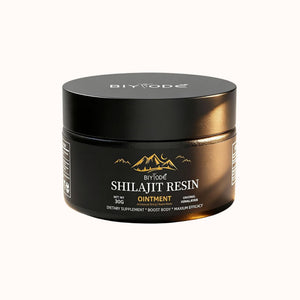





Shilajit Side Effects: Safety Guide & Precautions
Biyode Research team
Shilajit is a powerful natural supplement that offers numerous health benefits, but understanding potential side effects is crucial for safe use. While shilajit is generally considered safe when taken properly, some people may experience adverse reactions. This comprehensive safety guide covers everything you need to know about shilajit side effects, precautions, and how to use it safely.
Is Shilajit Safe? Understanding the Basics
Pure shilajit has been used safely in traditional medicine for over 3000 years. When sourced from reputable suppliers and taken in recommended doses, shilajit is well-tolerated by most people. However, like any supplement, it can cause side effects in certain situations. The key to safe use is understanding your body, starting with lower doses, and purchasing only authentic products.
The most important factor in shilajit safety is product quality. Contaminated or fake shilajit products pose serious health risks. Pure Himalayan shilajit that has been properly purified and tested is significantly safer than low-quality alternatives. Always verify your shilajit comes with third-party lab testing certificates confirming purity and absence of heavy metals.
Common Shilajit Side Effects
Most shilajit users experience no side effects whatsoever when taking recommended doses. However, some people may notice mild reactions, especially during the first few days of use.

Digestive Discomfort
The most commonly reported shilajit side effect is mild digestive upset. Some users experience stomach discomfort, bloating, or slight nausea when first starting supplementation. These symptoms typically occur when taking shilajit on an empty stomach or consuming too much too quickly. The strong mineral content can be intense for sensitive digestive systems.
To minimize digestive issues, start with a lower dose of 100 to 200 milligrams daily. Take shilajit with food rather than on an empty stomach if you experience discomfort. Gradually increase your dosage over one to two weeks as your body adjusts. Most digestive side effects disappear completely within the first week of consistent use.
Increased Body Heat
Some people report feeling warmer or experiencing slight increases in body temperature after taking shilajit. This happens because shilajit boosts metabolic function and energy production at the cellular level. The increased metabolism generates more heat as a natural byproduct. This side effect is generally mild and not concerning for most users.
If you experience uncomfortable warmth, try taking Pure Himalayan shilajit earlier in the day rather than evening. Ensure you stay well-hydrated throughout the day when using shilajit. The warming effect actually benefits people living in cold climates but may be less comfortable in hot environments.
Changes in Urination Patterns
Shilajit has natural detoxifying properties that may increase urination frequency initially. Your body eliminates toxins and excess minerals through urine, leading to more frequent bathroom trips. Some users notice their urine becomes darker or has a stronger odor during the first week. These changes are typically temporary as your body adjusts to the supplement.
Drinking plenty of water throughout the day helps your body process shilajit effectively. The increased urination usually normalizes after one to two weeks of consistent use. If changes persist beyond two weeks or cause concern, consult your healthcare provider.
Headaches and Dizziness
A small percentage of users report mild headaches when first taking shilajit. This side effect often results from detoxification processes or taking too high a dose initially. The powerful compounds in shilajit can cause temporary adjustment symptoms as your body adapts. Dizziness may occur if you are sensitive to the metabolic and energy-boosting effects.
Starting with lower doses significantly reduces the likelihood of headaches. Ensure you are adequately hydrated as dehydration can worsen headache symptoms. If headaches persist beyond the first week, reduce your dosage or discontinue use and consult a doctor.
Serious Side Effects and Warning Signs
While rare, some serious side effects require immediate medical attention. Understanding warning signs helps you respond appropriately if problems occur.
Allergic Reactions
Though uncommon, allergic reactions to Pure Himalayan shilajit can occur in sensitive individuals. Symptoms may include skin rashes, itching, swelling of face or throat, difficulty breathing, or severe digestive distress. If you experience any signs of an allergic reaction, stop taking shilajit immediately and seek medical help.
People with known allergies to herbs or natural supplements should exercise extra caution. Consider performing a patch test by applying a tiny amount of dissolved shilajit to your skin before consuming it internally. If redness or irritation develops, avoid using the product.

Iron Overload
Shilajit contains naturally high levels of iron, which benefits most people but can be problematic for some. People with hemochromatosis or other iron overload conditions should avoid shilajit completely. Excessive iron accumulation can damage organs including your liver, heart, and pancreas over time.
Symptoms of iron overload include joint pain, abdominal pain, fatigue, and skin discoloration. If you have a family history of iron disorders or experience these symptoms while taking shilajit, discontinue use and get your iron levels tested.
Blood Pressure Changes
Shilajit may affect blood pressure levels in some individuals. While it generally supports healthy blood pressure, people with existing hypertension or hypotension should monitor their readings carefully. The supplement can potentially interact with blood pressure medications, causing levels to drop too low or fluctuate unpredictably.
Always inform your doctor if you plan to take Pure Himalayan shilajit while on blood pressure medication. Regular monitoring helps catch any problematic changes early. Never adjust or stop prescription medications without medical supervision.
Who Should Avoid Shilajit?
Certain groups should not take shilajit due to higher risks of complications or lack of safety research.
Pregnant and Breastfeeding Women
Pregnant women should completely avoid shilajit supplements. There is insufficient research on how shilajit affects fetal development and pregnancy outcomes. The powerful compounds may cross the placental barrier and impact the developing baby. Similarly, breastfeeding mothers should avoid shilajit as it may pass through breast milk.
If you are trying to conceive, consult your healthcare provider before starting shilajit. While some studies suggest fertility benefits, safety during early pregnancy remains uncertain. Always prioritize the wellbeing of your baby over supplement use.
Children and Adolescents
Shilajit is not recommended for anyone under 18 years old. Children and teenagers have developing bodies that may respond unpredictably to powerful supplements. Their hormone systems are still maturing and do not need the additional stimulation that shilajit provides.
If considering shilajit for a teenager, always consult a pediatrician first. There may be safer alternatives more appropriate for younger age groups.
People with Active Diseases
Individuals with certain medical conditions should avoid shilajit or use it only under medical supervision. This includes people with active gout, as shilajit may increase uric acid levels. Those with sickle cell anemia should also avoid shilajit due to potential complications.
People with autoimmune diseases should consult their doctors before taking shilajit. The immune-boosting properties might worsen autoimmune conditions in some cases. Always disclose all health conditions to your healthcare provider when considering new supplements.
Drug Interactions to Consider
Pure Himalayan shilajit can interact with various medications, potentially altering their effectiveness or causing adverse effects.
Blood Thinners
Shilajit may have mild blood-thinning properties that could enhance the effects of anticoagulant medications. This combination increases bleeding risk and may cause excessive bruising. Common blood thinners include warfarin, aspirin, clopidogrel, and heparin.
If you take blood-thinning medications, consult your doctor before adding shilajit. Your healthcare provider may need to adjust medication dosages or recommend avoiding Pure Himalayan shilajit entirely.
Diabetes Medications
Shilajit may lower blood sugar levels naturally, which benefits most people but can be problematic for diabetics on medication. The combination might cause blood sugar to drop too low (hypoglycemia), resulting in dizziness, confusion, or loss of consciousness.
Diabetics interested in shilajit should work closely with their healthcare provider. Regular blood sugar monitoring helps identify any problematic changes quickly. Medication adjustments may be necessary to prevent dangerous drops.
Thyroid Medications
Some evidence suggests shilajit affects thyroid hormone levels. People taking thyroid medications should use caution as Pure Himalayan shilajit might enhance or interfere with treatment effectiveness. This interaction could lead to symptoms of hyperthyroidism or hypothyroidism.
Safe Shilajit Usage Guidelines
Following proper guidelines minimizes side effects and maximizes benefits from shilajit supplementation.
Dosage Recommendations:
· Start with 100-200mg daily for the first week
· Gradually increase to 300-500mg after adjustment period
· Never exceed 1000mg daily
· Take consistently at the same time each day
Quality Assurance Steps:
· Buy only from reputable suppliers with lab testing
· Verify third-party certification for purity
· Check for heavy metal testing results
· Ensure proper packaging and storage instructions
Monitoring Your Response:
· Keep a journal of any symptoms or changes
· Track energy levels and overall wellbeing
· Note any digestive or physical changes
· Report persistent side effects to your doctor
Conclusion
Shilajit side effects are generally mild and temporary when using pure, authentic products at recommended doses. Most people tolerate Pure Himalayan shilajit well and experience significant health benefits without complications. However, understanding potential side effects, contraindications, and proper usage guidelines ensures safe supplementation. Always prioritize quality over price when purchasing shilajit, start with lower doses, and consult healthcare providers if you have existing medical conditions or take prescription medications. With proper precautions, shilajit can be a safe and effective addition to your wellness routine.
- Choosing a selection results in a full page refresh.
- Opens in a new window.